• Home
  • Suggest A DIY
  • DIY Newsletter

Recycled Crafts

Creative DIY Projects That Turn Trash Into Treasure

  • About CraftGossip
  • Our Network
    • Bath & Body Crafts
    • Candle Making Ideas
    • Crochet Ideas
    • Cross Stitch
    • Edible Crafts
    • Felting Patterns
    • Glass Art
    • Home & Garden Ideas
    • Indie Crafts
    • Jewelry Making
    • Kids Crafts
    • Knitting Patterns
    • Lesson Plans
    • Needlework
    • Party Ideas
    • Polymer Clay
    • Quilting Ideas
    • Recycled Crafts
    • Scrapbooking
    • Sewing Patterns
    • Card Making
    • DIY Weddings
    • Not Craft Ideas
  • Giveaways
  • Roundups
  • Store
  • Search

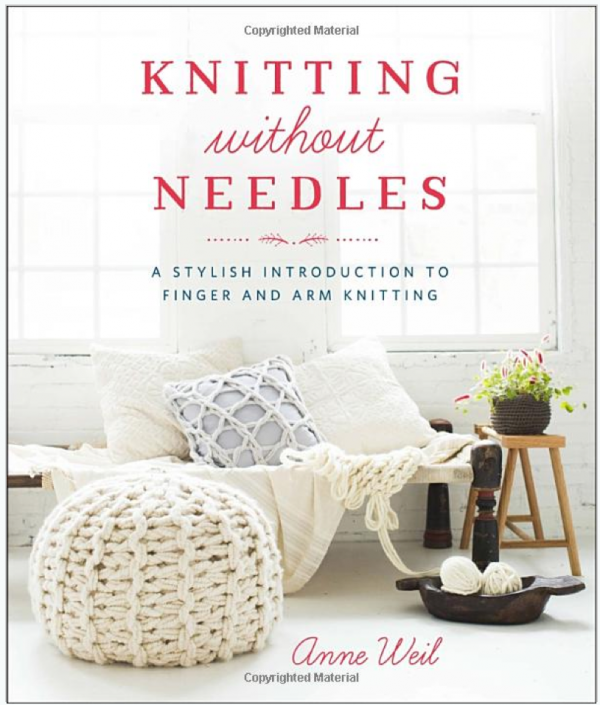
Giveaway: Knitting Without Needles: A Stylish Introduction to Finger and Arm Knitting

September 2, 2015 by Stefanie Girard

Screen Shot 2015-08-18 at 3.01.08 PM

Enter to win a copy of the new book:

Knitting Without Needles: A Stylish Introduction to Finger and Arm Knitting

by

Anne Weil

Leave a comment in today’s post by September 12, 2015 and you will be entered to win this AMAZING book filled with projects made just with your own two hands (and arms!)

I would call this book an advanced arm and knitting book, not because they are any harder but because the techniques and tutorials are really kicked up to the, “wow I had no idea you could do that with finger or arm knitting”. The projects are beautiful and any fiber lover would appreciate them. I bet most of the arm knitting projects would be great made with recycled T-shirt yarn.

Open to U.S. residents only please.

More about the book from the publisher, Potter Craft:

“Put down those complicated knitting projects that take forever to finish. Knitting Without Needles brings cool home, gifts, and clothing accessories–cowls, totes, rugs, poufs, scarves, and more–within arm’s reach. An all-in-one resource for a new kind of craft, this book shows you how to loop yarn with your fingers or your forearms with thirty patterns that are simple to follow and produce stylish results. Best of all, many of them knit up fast—in less than an hour!

Even if you’ve never picked up knitting needles, you can easily master the techniques to make fun knits with kids and for kids (a princess crown, baby booties) and even last-minute gifts (a statement necklace for your fashionista friend). With stunning photography, plenty of step-by-step photos, and a detailed resource section, Knitting Without Needles is your go-to for a new way to knit.”
«
»

Comments

  1. Teresa says

    September 2, 2015 at 11:47 am

    I’d like to try try arm and finger knitting, esp when my fingers and hands are hurting. Need something to do even then.

  2. craftilady says

    September 2, 2015 at 12:06 pm

    I would like to try finger and arm knitting. This sounds like a good book to use for teaching my granddaughter to knit

  3. Anna says

    September 2, 2015 at 2:21 pm

    How intriguing. Would love to learn how to do this by winning this book. Thank you for the opportunity.

  4. aubrey M. says

    September 2, 2015 at 3:05 pm

    I have seen this technique before and have wanted to try it. It looks fun and makes beautiful projects

  5. Betty says

    September 2, 2015 at 6:33 pm

    Thanks for the great giveaway. Would love to try this technique to use up some of my stash.

  6. Margay says

    September 3, 2015 at 11:40 am

    I’ve never tried arm or finger knitting before, but this book makes it look like it might bee fun!

  7. Mary Helene says

    September 3, 2015 at 11:49 am

    Love this form of knitting, I am trying to teach it to my grand daughter.

  8. Terri Tompkins says

    September 3, 2015 at 11:58 am

    These techniques sound fascinating, and so much easier than using needles for someone with challenges in the ‘tension’ department. I’d love to win this!

  9. Donna Rinckel says

    September 3, 2015 at 12:13 pm

    I bet my Girl Scouts would love to do this. I am always looking for something new and different to do with them. Looks like fun!

  10. scapela says

    September 3, 2015 at 12:15 pm

    looks like fun and something to do with the young ones

  11. Julie says

    September 3, 2015 at 12:15 pm

    Creative & quick updates for the home decor! Put me down for a yes please!

  12. Karey says

    September 3, 2015 at 12:30 pm

    This looks fun! I’ve not arm knitted yet, but it’s really popular right now.

  13. Rose Scott says

    September 3, 2015 at 12:34 pm

    I would love to learn how to knit with my fingers and arms minus the needles. Sounds fun.

  14. Michelle says

    September 3, 2015 at 12:36 pm

    This is great. I’ve loved the idea of arm knitting, but never knew wha to do with it!

  15. Susan Spiers says

    September 3, 2015 at 1:15 pm

    Whaf ai great idea for beginners to get “hooked” on!

  16. Stacey says

    September 3, 2015 at 1:37 pm

    I didn’t know this was possible! I am very interested in learning the details.

  17. Cindy S says

    September 3, 2015 at 1:58 pm

    That little tuffet is really cute, and I would love taking a break from needles and tiny projects to relax my hands.

  18. Joan says

    September 3, 2015 at 2:17 pm

    Would love to give this technique a try. And just in time for unique holiday gift giving.

  19. Cathleen says

    September 3, 2015 at 2:23 pm

    This book looks amazing. I love the “projects that take forever to finish” comment…SO TRUE. I enjoy knitting with needles, but I rarely finish anything. I’d LOVE to win this book!!!

  20. Cyndy Knapp says

    September 3, 2015 at 5:11 pm

    This sounds like a great book! I’ve made scarves by arm knitting and would love to learn how to make more…maybe a dog bed out of t-shirt yarn.

  21. Colleen says

    September 3, 2015 at 5:50 pm

    Is like to try this! The projects on the cover look gorgeous…

  22. Linda says

    September 3, 2015 at 6:06 pm

    Looks like a great book. I would love to teach my granddaughter this type of knitting. Thanks for the giveaway.

  23. Theresa says

    September 3, 2015 at 7:06 pm

    I would be curious to try this type of knitting. I am super slow at regular knitting

  24. Julie Cohen says

    September 3, 2015 at 8:11 pm

    What a beautiful book! I am an advanced crocheter and love to make clothes but cannot knit, so…

  25. smfsprout says

    September 3, 2015 at 11:09 pm

    Finger/arm knitting looks like a project I could enjoy teaching the grandkids.

  26. debbie king says

    September 4, 2015 at 12:34 am

    This is so intriguing, I would love to learn how to do this!

  27. yarnaddicted says

    September 4, 2015 at 12:42 am

    I would love to try arm and finger knitting, looks like fun!!

  28. LILLIAN says

    September 4, 2015 at 10:39 am

    I do loom knitting and I have seen several patterns for the finger and arm knitting. I have a terminally ill husband at home, so I am here 24/7, (which I do not mind at all and would rather him here then the alternative), so this would give me something else to do to pass the time and make gifts to boot!

  29. craftyone says

    September 4, 2015 at 11:39 am

    currently have some yarn i would like to arm knit with. a pattern book would be great.

  30. Holly Siminski says

    September 5, 2015 at 9:23 am

    I would love to try out arm knitting!

  31. Pam Dickhaus says

    September 5, 2015 at 1:35 pm

    i have wanted to learn more about these techniques for awhile now. this is something my daughter and i might try whenever she can visit. thank you for the chance to win!!

  32. Cathi graham says

    September 5, 2015 at 8:16 pm

    Looks like a wonderful book!

  33. MelodyJ says

    September 6, 2015 at 4:19 am

    I would try arm knitting.

  34. Britt Green\ says

    September 6, 2015 at 11:26 pm

    really want to try this

  35. Amor says

    September 8, 2015 at 1:11 am

    I want to do hand made gifts this year for Christmas!

  36. Patti Truckey says

    September 8, 2015 at 1:41 am

    Would love to learn, tried to learn regular knitting I just can’t get it!

  37. Debby says

    September 8, 2015 at 11:28 pm

    This sounds really fun. I would love to learn more about arm knitting. How cool!!??!!

  38. Audrey Naylor says

    September 9, 2015 at 8:12 am

    Arm Knitting looks really good and easy, I watched someone doing it, and it grows quick, easy, don’t need any knitting needles, just wool. I would like to make something with Arm knitting to show people what its like.

  39. Brenda Ackerman says

    September 9, 2015 at 12:01 pm

    How wonderful! My niece was telling me about this technique and how fun and easy it was to do. I would love to win a copy of this book and learn this technique. [email protected]

  40. mel pi says

    September 9, 2015 at 1:50 pm

    My kids love finger knitting. Seems like this would be a good next step for them

  41. Jenn says

    September 9, 2015 at 5:23 pm

    This looks like a lot of fun!

  42. Wendy R. says

    September 10, 2015 at 12:17 am

    Would be fun to give this a go! The idea of using t-shirt yarn is especially intriguing. 🙂

  43. Nancy Hilderbrand says

    September 11, 2015 at 12:55 pm

    Never heard of finger and arm knitting but would love to learn

  44. Kelly says

    September 11, 2015 at 7:04 pm

    Awesome, sounds very interesting! Thank you!! 🙂

  45. Christina M. says

    September 11, 2015 at 7:46 pm

    Very cool… I love chunky knits, especially for blankets or pillow covers. Would love to try this! <3

  46. Roni Moore says

    September 17, 2015 at 7:33 pm

    This is so neat — would love to learn the technique!

  47. Sarah Crock says

    September 25, 2015 at 12:58 pm

    Always interested in learning new techniques and designs. Love to work with my grandchildren on projects too.

  48. jerry says

    February 13, 2016 at 11:19 am

    Wanting to start knitting again after several years of abstinence.

Have you read?

15 Beautiful Things To Make With Vintage Onkaparinga Pure Wool Blankets

There is something rather special about finding a vintage Onkaparinga pure wool blanket tucked away in a linen cupboard or folded beneath a slightly questionable stack of towels at the op shop. These old Australian wool blankets were made to last, and many have survived decades of winter nights, camping trips, spare beds and family moves.

They are also becoming increasingly collectible. Vintage Onkaparinga blankets can still be found through online marketplaces, including Etsy’s Onkaparinga wool blanket listings, where checks, plaids, fringed throws and beautifully muted mid-century colours appear regularly.

Of course, cutting into a beautiful blanket in excellent condition can feel a little like chopping up your grandmother’s best tablecloth. Before reaching for the scissors, check the label, size and overall condition. A rare blanket without stains, moth holes or worn patches may be better preserved and used as it was intended.

But the damaged ones? Those are the treasures for us crafty types.

A moth hole near one corner, a scorched patch or a worn satin binding does not mean the whole blanket has reached the end of its life. Pure wool is warm, naturally textured and wonderfully suited to bags, cushions, winter clothing, pet projects and small homewares.

Here are some of my favourite things to make with vintage Onkaparinga pure wool blankets.

Before Cutting A Vintage Wool Blanket

Gently clean the blanket before turning it into a sewing project. Follow the care instructions on the original label whenever they are still readable. Avoid vigorous washing or sudden temperature changes, which may shrink or felt the wool.

Lay the blanket flat and check it carefully for:

  • Moth holes
  • Thin or worn areas
  • Stains
  • Damaged binding
  • Faded sections
  • Previous repairs

Mark the best areas with safety pins or removable chalk before placing your pattern pieces. Keep the original woven label too. It can be stitched onto the finished project as a lovely little reminder of where the fabric began.

If the blanket is loosely woven, stay-stitch around each pattern piece before cutting it out. You can also use a lightweight fusible interfacing on smaller items such as bags, purses and cases.

Sew An Upcycled Wool Blanket Coat

A vintage blanket coat is probably the most spectacular way to show off a classic Onkaparinga check. The weight and warmth of pure wool make it ideal for a relaxed winter jacket, oversized shacket, hooded coat or sleeveless vest.

Choose a simple sewing pattern with minimal seams so the original plaid remains the star. Line the coat with cotton, flannel or a smooth lining fabric, and use leather, timber or vintage buttons for a beautifully finished look.

Browse upcycled wool blanket coats on Etsy for ideas on colour placement, collars, pockets and blanket-stitched edges. There are some wonderful examples showing how worn vintage textiles can become completely unique winter clothing.

CraftGossip has also featured an Etsy maker creating clothing from vintage wool blankets, which is well worth a look before planning your own version: Handmade With A Past: Recycled Etsy Find.

Make A Warm Wool Blanket Vest

A vest uses considerably less fabric than a full coat, making it a good option when only part of the blanket is usable. A slightly cropped vest looks lovely over jeans and a long-sleeved shirt, while a longer version can be made almost like a sleeveless blanket coat.

Use the original blanket binding around the front opening or hem whenever possible. It saves sewing time and gives the garment a wonderfully authentic vintage finish.

You can find plenty of shape and finishing inspiration among the upcycled wool blanket vests on Etsy.

Turn It Into A Wool Tote Bag

Thick wool blankets make sturdy bags that feel much more luxurious than an ordinary fabric tote. Add cotton webbing, leather handles or straps cut from an old belt.

Line the bag to prevent the wool from stretching and add an internal pocket for keys and phones. Smaller damaged areas can be hidden beneath an appliqué patch, leather corner or external pocket.

Have a look at these upcycled wool blanket bags on Etsy for inspiration. I particularly love the bags that combine checked wool with tweed, leather or visible hand stitching.

Sew Cosy Winter Cushion Covers

Cushion covers are one of the easiest projects for a damaged blanket because you can position the front panel over the prettiest section. Use an envelope-style backing for a beginner-friendly finish or add a concealed zipper for a more tailored look.

A pair of vintage wool cushions looks gorgeous on a leather chair, window seat or timber bench. The old checks also mix beautifully with linen, velvet and neutral upholstery.

For extra character, retain a fringed edge or section of satin binding across the front of the cushion.

Make A Patchwork Wool Throw

When you have several damaged blankets, cut the usable sections into squares or large rectangles and join them into a new patchwork throw.

This is a lovely way to combine several Australian blanket brands, colours and family pieces into one practical heirloom. Keep the blocks fairly large so you are not creating dozens of bulky seams.

Press seams gently with a pressing cloth and finish the outer edge with wool binding, blanket stitch or the salvaged satin binding from one of the original blankets.


Create Vintage Wool Christmas Stockings

Onkaparinga plaids are practically made for old-fashioned Christmas stockings. Red, green, cream, mustard and brown checks all have that cosy Christmas-at-the-farmhouse feel without looking overly shiny or mass-produced.

Line each stocking with cotton and add a sturdy hanging loop. Small pieces of leather, velvet ribbon, embroidered initials or vintage buttons make lovely embellishments.

The stocking cuff is also a clever place to use the blanket’s original fringe or satin edging.


Sew A Custom Wool Dog Coat

A thick pure wool blanket can make a wonderfully warm dog coat, particularly for older dogs or short-haired breeds. Use a washable cotton lining and fasten it beneath the chest with hook-and-loop tape, press studs or adjustable straps.

Because vintage wool may shrink, I would make the outer wool coat removable from the lining where possible, or spot-clean the finished coat rather than tossing it into a hot wash.

Etsy has a lovely collection of upcycled wool blanket dog coats, including made-to-measure designs that are useful for studying strap placement and fit.

Aloo would probably appreciate the warmth, although I suspect he would be more interested in sleeping on the remaining blanket pieces than modelling anything I had sewn from them.

Make Wool Slippers Or Booties

Layered wool makes warm house slippers, especially when combined with an old shearling jacket, felted jumper or a non-slip sole.

Use several layers for the insole and reinforce the bottom with leather, suede or non-slip fabric. Blanket stitch around the upper edge for a simple handmade finish.

CraftGossip has featured a clever pair of slippers made using materials including vintage wool blankets and repurposed shearling: Woolie And Furry Upcycled Slippers.

Sew A Vintage Wool Hot Water Bottle Cover

A wool hot water bottle cover is a manageable project for smaller blanket pieces. Wool adds a comforting layer around the bottle and makes it feel much nicer to tuck into bed on a cold evening.

Line the cover with cotton or flannel and leave an envelope-style opening at the back. Add a small pocket on the front for a lavender sachet if you fancy turning it into a particularly cosy handmade gift.

Take a look at the wool hot water bottle covers on Etsy for inspiration.

Always check hot water bottles for wear, follow the manufacturer’s filling instructions and avoid using boiling water.

Make A Wool Picnic Blanket With A Waterproof Back

A damaged Onkaparinga blanket can still have plenty of life left as a picnic rug. Remove badly worn edges, square up the remaining blanket and add a waterproof backing.

A repurposed shower curtain, coated cotton or purpose-made waterproof fabric can protect the wool from damp grass. Add rolled carry handles made from webbing so the blanket is easy to keep in the car.

This project preserves most of the original blanket rather than cutting it into tiny pieces, making it a good compromise when the design is beautiful but the edges have deteriorated.

Turn Small Pieces Into Zippered Pouches

Cosmetic bags, pencil cases, glasses cases and project pouches are ideal for using the narrow pieces left after cutting larger projects.

Fuse a lightweight interfacing to the back of the wool and add a cotton lining. Chunky metal zippers, leather zipper pulls and visible hand stitching all suit the vintage fabric beautifully.

A small pouch made from a family blanket would make a meaningful gift without using the entire textile.

Make Rustic Wool Christmas Ornaments

Do not throw away the final handful of scraps. Pure wool is perfect for little stars, hearts, trees, mittens, houses and birds.

Cut two matching shapes, stitch around the edge and fill them lightly with wool scraps or toy stuffing. Add embroidery, buttons, bells or scraps of velvet ribbon.

These ornaments would look lovely grouped into a garland or tied onto Christmas gifts. Because the wool is thick, many shapes can also be left unstuffed and finished with a simple blanket stitch.

Sew A Pair Of Wool Mittens

Felted or tightly woven sections of blanket can be turned into wonderfully warm mittens. Use a simple mitten pattern and line them with fleece, flannel or jersey for comfort.

Position the plaid carefully so the two mittens match—or deliberately mismatch them for a more playful scrappy look.

Add ribbed cuffs cut from an old wool jumper to make them easier to pull on and to keep cold air out.


Make A Padded Laptop Or Tablet Sleeve

Dense wool offers useful cushioning for a laptop, tablet or e-reader. Add a layer of foam or batting between the wool and cotton lining, then finish the case with a zipper, buttoned flap or leather strap.

This is another project where the original Onkaparinga label can become part of the design. Stitch it onto the front like a maker’s label rather than hiding it inside.

CraftGossip also has an older recycled sweater tablet-cover idea that can be adapted for wool blanket fabric: How To Sew A Recycled Sweater iPad Cozy.

Sew A Wool Draught Stopper

A draught stopper is not the most glamorous sewing project in the cupboard, but it is one of the most practical. Cut a long rectangle, sew it into a tube and fill it with fabric scraps, polyester filling or a combination of stuffing and dried rice.

Do not overfill it, particularly if you use rice, as it will become surprisingly heavy. A removable outer cover is useful if the stopper will be placed near an external door.

The weight and texture of wool make it far prettier than the average draught snake, particularly in a classic brown, green or orange check.

Create A Small Keepsake Teddy Or Soft Toy

A teddy, rabbit or little stuffed dog made from an old family blanket can become a beautiful keepsake. This is particularly meaningful when the blanket belonged to a parent or grandparent but is too damaged to use on a bed.

Use the strongest sections for the body, reinforce the reverse with interfacing and avoid weak or threadbare areas around seams. For a child’s toy, use securely attached embroidered features rather than buttons.

For an adult keepsake, the original label can be sewn onto the toy’s back, foot or little jacket.

Browse memory bears made from blankets on Etsy for inspiration.

Using Every Last Scrap Of A Vintage Onkaparinga Blanket

The beauty of working with vintage wool is that very little needs to be wasted. Large sections can become coats, bags and cushions. Medium pieces can become stockings, mittens and pouches. The tiny scraps can be used as toy filling, appliqué patches, gift tags or Christmas decorations.

Even the original fringe, satin binding and woven Onkaparinga label can be reused.

There are still vintage Onkaparinga blankets appearing on Etsy Australia, although availability changes as individual vintage pieces sell. Some are in beautiful usable condition, while others are ideal candidates for restoration or thoughtful upcycling.

My best advice is to pause before cutting. Photograph the blanket, save its label and consider whether it can still be used whole. But when moths, stains or years of wear have already had their turn, transforming the sound fabric into something useful is not ruining a vintage blanket.

It is allowing a beautifully made Australian textile to begin another chapter.

Explore

books Christmas CraftGossip Giveaways Craft Inspirations Easter glass halloween Home Decor kid crafts More Crafts Patterns & Tutorials Recycled and Thrifted Ideas recycled art Recycled Clothing Recycled Jewelry Recycled kids crafts Recycled Sewing Recycling Ideas Recycling Organizing tin can

Featured Posts

Etsy shop feature: Pokemon Dioramas at AVioletAccord

How to print on recycled tea bags

How to make your own alcohol inks

Handmade with a Past: Tuesday’s Top Recycled Etsy Find

Make Your Own Spa Slippers

RSS More Articles

  • Learning about Germany for Kids
  • 15 Beautiful Things To Make With Vintage Onkaparinga Pure Wool Blankets
  • 20 FREE Witch Coloring Pages and Digital Images
  • Merrily on High Cross Stitch Pattern Review: A Sweet Retro Christmas Sampler
  • Needle Felted Belted Galloway Cow Tutorial by Sarafina Fiber Art
  • Celebrate National Sewing Month With Connecting Threads’ September Sales
  • Funny Gourd Cross Stitch Patterns
  • 12 Rustic Scrapbooking Layout Ideas
  • New Release: Denim & Daisy Fabric by Lori Holt
  • Book Review: Granny Square Along by Lori Holt

Copyright © 2026 · CraftGossip | Start Here | Contact Us | Link to Us | Your Editors | Privacy and affiliate policy