• Home
  • Suggest A DIY
  • DIY Newsletter

Recycled Crafts

Creative DIY Projects That Turn Trash Into Treasure

  • About CraftGossip
  • Our Network
    • Bath & Body Crafts
    • Candle Making Ideas
    • Crochet Ideas
    • Cross Stitch
    • Edible Crafts
    • Felting Patterns
    • Glass Art
    • Home & Garden Ideas
    • Indie Crafts
    • Jewelry Making
    • Kids Crafts
    • Knitting Patterns
    • Lesson Plans
    • Needlework
    • Party Ideas
    • Polymer Clay
    • Quilting Ideas
    • Recycled Crafts
    • Scrapbooking
    • Sewing Patterns
    • Card Making
    • DIY Weddings
    • Not Craft Ideas
  • Giveaways
  • Roundups
  • Store
  • Search

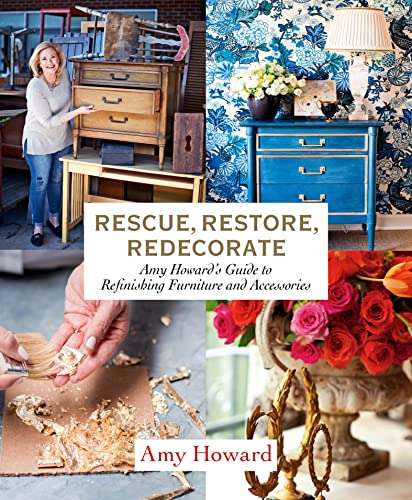
Rescue, Restore, Redecorate: Amy Howard’s Guide to Refinishing Furniture and Accessories

June 26, 2023 by Shellie Wilson

Rescue, Restore, Redecorate: Amy Howard’s Guide to Refinishing Furniture and Accessories is the ultimate guide for anyone who wants to bring their furniture back to life. Whether you’re an experienced DIY-er or just starting out, this book is packed full of essential tips and techniques to help you turn an old piece of furniture into a showstopper.

Amy Howard is a true expert in her field, and her step-by-step instructions are clear and easy to follow. Even I, someone who’s not exactly handy with a paintbrush, was able to understand the process. The techniques she shares are foolproof and will help you achieve a professional-looking finish every time.

What I loved most about this book was the variety of finishes that Amy covers. From painted and faux finishes to gold leaf and distressing, there’s something for everyone. And the before-and-after makeovers from her studio are just incredible. It’s amazing to see what a little paint and some elbow grease can do!

If you’re looking for a guide to help you restore your furniture and accessories to their former glory, then Rescue, Restore, Redecorate is the book for you. Whether you’re dreaming of restoring an heirloom or just want to modernize a flea market find, Amy Howard’s design and refinishing secrets will help you get there. So, get ready to roll up your sleeves and get started!
 

«
»

Have you read?

Why You Should Let Your Child Stick Things Together and Paint Random Things

As parents, we often want to guide our children’s activities, making sure they stay productive, focused, and “on-task.” But when it comes to creativity, sometimes the most valuable lessons are the ones that happen when we let go and allow our kids to explore freely. One of the most important things you can do for your child’s development is to let them stick things together and paint random objects. It might sound a little messy and chaotic at first, but trust me—it’s incredibly beneficial in so many ways. Here’s why you should embrace the randomness and give your child the freedom to create with abandon.

Encourages Creativity and Imagination

When children are free to stick things together and paint random objects, they are not bound by rules or instructions. The world of possibilities opens up. Whether they’re gluing buttons to paper, sticking fabric scraps onto a canvas, or painting old shoe boxes, the focus isn’t on the end result but on the process itself. This freedom allows their creativity to flourish and encourages them to think outside the box.

Kids can create worlds of their own, invent new characters, or even design their own toys and objects. They can mix and match materials that they wouldn’t typically associate together—like painting a rock with glitter and feathers or turning a cardboard box into a spaceship. These unexpected combinations lead to incredible imagination and innovation.

Fosters Problem-Solving Skills

As your child sticks things together or paints random objects, they’re bound to encounter challenges along the way. Maybe the glue doesn’t hold, the paint smears, or a piece doesn’t fit the way they want. These little moments are a fantastic opportunity for them to problem-solve. They learn how to troubleshoot, make adjustments, and find creative solutions.

This process is more than just about the craft itself—it’s about developing resilience and persistence. Through trial and error, kids learn that things don’t always go as planned, but that doesn’t mean they can’t still create something beautiful or functional. This type of problem-solving is a valuable life skill that can carry over to many other areas of their lives.

Builds Confidence

There’s something magical about seeing your child’s face light up when they’ve created something all on their own. Whether it’s a collage made from paper scraps or a random piece of painted art, they feel proud of what they’ve made. Letting your child freely experiment with sticking things together and painting gives them ownership over their creations, which can significantly boost their self-esteem.

When children are allowed to explore their creative side without judgment or limits, they develop a sense of accomplishment. The freedom to make “mistakes” and still be proud of their work shows them that they don’t have to be perfect to be valued. This fosters a healthy self-image and confidence that will serve them well as they grow.

Helps Develop Fine Motor Skills

Crafting with glue, scissors, markers, and paintbrushes is a wonderful way for young children to develop their fine motor skills. By holding and manipulating small objects, sticking them onto surfaces, or painting with precision, kids build the small muscles in their hands and fingers. These skills are crucial for tasks like writing, buttoning shirts, or tying shoelaces later on in life.

As children experiment with different materials—like sticks, leaves, buttons, or fabric—they also work on hand-eye coordination, which is essential for their overall physical development. These activities might seem like simple fun, but they lay the groundwork for more complex skills down the road.

Promotes Emotional Expression

Art, especially random and freeform art, is one of the best ways for kids to express their feelings. When children paint or stick things together, they often don’t have words for what they’re feeling, but they can pour their emotions into their creations. They may paint bold, messy strokes when they’re feeling energetic or use soft, calming colors when they’re feeling relaxed.

By allowing children to create freely, you’re providing them with a healthy outlet for expressing emotions they may not fully understand or know how to articulate. It’s a safe space where they can experiment with their feelings and process their thoughts in a way that words sometimes can’t do.

Teaches the Value of Process Over Product

One of the most important lessons children can learn from free creative play is the idea that the journey is often more valuable than the destination. In a world that constantly focuses on achievements, results, and outcomes, letting kids stick things together and paint random objects teaches them to appreciate the process itself.

Instead of focusing solely on making something “perfect,” your child will learn to enjoy the experience of creation, the exploration of ideas, and the satisfaction of getting lost in the moment. This can be incredibly freeing and is a lesson that will last a lifetime, helping children embrace failure and discovery as natural parts of life.

Helps Strengthen Parent-Child Bonds

Crafting with your child can be a bonding experience. You don’t need to have a clear goal or outcome in mind. Instead, focus on the shared experience of creation. As your child sticks things together or paints random objects, you have the opportunity to engage with them on a deeper level. You’ll be able to chat, laugh, and learn together as you explore the materials and ideas they come up with.

This relaxed, non-judgmental time spent together fosters a sense of connection and mutual respect. Plus, it’s a wonderful way to create memories that both you and your child will cherish.

Inspires Environmental Awareness

When kids are encouraged to stick things together and paint random objects, they often use recycled materials, like old magazines, cardboard, or scraps of fabric. This kind of craft encourages sustainability and resourcefulness. Kids learn to see the value in what might otherwise be considered waste, which can inspire them to be more mindful of their environmental footprint.

In the future, this awareness may translate into a greater commitment to sustainability—whether that’s reusing materials, reducing waste, or supporting eco-friendly initiatives.


Letting your child stick things together and paint random objects might not always result in a masterpiece, but it will undoubtedly help them grow in so many valuable ways. From building creativity and problem-solving skills to boosting their confidence and emotional expression, the benefits of freeform crafting are endless.

So, the next time your child wants to glue feathers to a rock or paint a plastic bottle with bright colors, take a step back and enjoy the process. You might just find that the joy is in the messy, random moments—and that’s where the true magic happens.

Explore

books Christmas CraftGossip Giveaways Craft Inspirations Easter glass halloween Home Decor kid crafts More Crafts Patterns & Tutorials Recycled and Thrifted Ideas recycled art Recycled Clothing Recycled Jewelry Recycled kids crafts Recycled Sewing Recycling Ideas Recycling Organizing tin can

Featured Posts

Make and paint a Little Free Library with Dad for Father’s Day

How to make a recycled sofa chicken tractor

Great crafting tip for using foam glue dot discards

Plastic necklace beads are melted into shining star earrings

How to make mini mid-century modern houses

RSS More Articles

  • Sewing Pattern Saturday Review: Bookworm Tablet Sleeve Sewing Pattern
  • Designer Spotlight: Mango Charm Studio
  • 3 FREE Tablescape Coloring Pages
  • DIY Rose Water and Glycerin Facial Mist for Dry Skin Relief
  • A Single Skein Shawl to Knit for Summer
  • Book Review: Dear Math, We’re Not Friends
  • 7 Easy Ways to Upgrade Plain Tomato Sauce From a Squeezy Bottle
  • The Hattitude Beanie free crochet pattern
  • FREE Palm Leaf Font for Summer
  • 10 Quilted Bag Ideas to Make with Scrap Fabrics

Copyright © 2026 · CraftGossip | Start Here | Contact Us | Link to Us | Your Editors | Privacy and affiliate policy