• Home
  • Suggest A DIY
  • DIY Newsletter

Recycled Crafts

Creative DIY Projects That Turn Trash Into Treasure

  • About CraftGossip
  • Our Network
    • Bath & Body Crafts
    • Candle Making Ideas
    • Crochet Ideas
    • Cross Stitch
    • Edible Crafts
    • Felting Patterns
    • Glass Art
    • Home & Garden Ideas
    • Indie Crafts
    • Jewelry Making
    • Kids Crafts
    • Knitting Patterns
    • Lesson Plans
    • Needlework
    • Party Ideas
    • Polymer Clay
    • Quilting Ideas
    • Recycled Crafts
    • Scrapbooking
    • Sewing Patterns
    • Card Making
    • DIY Weddings
    • Not Craft Ideas
  • Giveaways
  • Roundups
  • Store
  • Search

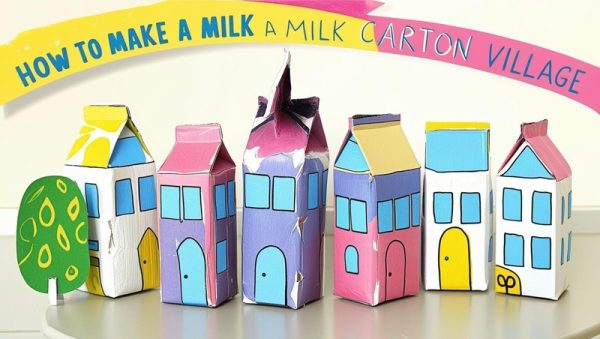
How To Make A Milk Carton Village – A Recycled Craft for Kids

August 7, 2025 by Shellie Wilson

Ready to turn your recycling bin into a colorful, miniature village? Grab those empty milk cartons and let’s create a town filled with tiny houses, shops, and even a school or bakery! This craft is perfect for kids of all ages and encourages imagination, storytelling, and eco-friendly creativity.

 What You’ll Need:

  • Empty milk or juice cartons (washed and dried)

  • Paints or markers

  • Paintbrushes

  • Craft glue or glue stick

  • Scissors (adult supervision recommended)

  • Colored paper or old magazines

  • Bottle caps, buttons, or plastic lids (for windows or decorations)

  • Sticks, straws, or skewers (for flag poles or chimneys)

  • Optional: glitter, stickers, washi tape, cotton balls (for snow or clouds!)

 Step-by-Step Instructions:

Step 1: Clean and Prep the Cartons
Make sure your milk or juice cartons are washed and completely dry. Remove any plastic lids or caps and keep them for decorations!

Step 2: Plan Your Village
Decide how many buildings you want to make. Each milk carton becomes a house, shop, or whatever your imagination dreams up. Arrange them side by side or in a circle like a real village square.

Step 3: Cut Out Doors and Windows
With the help of an adult, carefully cut small door and window shapes into your cartons. You can also glue cut-out shapes from colored paper if you’d rather not cut into the carton.

Step 4: Paint and Decorate
Use paint or markers to bring your buildings to life. Make brick patterns, colorful siding, or roof tiles. Let each child choose their own theme – rainbow bakery, monster house, fairy home, or tiny fire station!

Step 5: Add the Roofs
You can paint the top pointy part of the carton like a roof, or glue on cardboard triangles to create overhangs. Want to add a chimney? Glue a straw or cardboard roll on top!

Step 6: Make Flags and Signs
Cut small flags from recycled plastic or paper and tape them to straws or sticks. Glue your flags to the rooftops. You can even create tiny signs for each building – “Toy Store,” “Library,” or “Super Cat’s House.”

Step 7: Build Your Village
Place all the finished buildings together on a large piece of cardboard, tray, or table. Use bottle caps for stepping stones, cotton balls for bushes or clouds, and draw roads with marker.

Step 8: Play!
Now that your village is built, use little toys, action figures, or LEGO people to live in your new town. Create stories and adventures—your Milk Carton Village is officially open!

 Learning Bonus:

This craft is not just fun—it also teaches recycling, fine motor skills, creative thinking, and storytelling. Plus, it’s a great group activity for playdates, classrooms, or family craft nights.

Let your kids’ imaginations run wild—and remember, no two villages need to look the same. Each one tells its own story!

Related Posts:

  • 15 Recycled Golf Ball Crafts For Garden Art, Gifts…
  • DIY Milk Jug Halloween Skeleton Faces – Day of the…
«
»

Have you read?

Crafts With Old Bricks: Creative Ways To Upcycle Leftover Bricks

If you have ever finished a garden project, pulled apart an old path, or found a lonely stack of bricks behind the shed, you will know exactly how hard they are to get rid of. They are too heavy to casually toss, too useful-looking to bin, and somehow they sit there for years making you feel vaguely guilty every time you walk past them.

Good news: old bricks are actually brilliant recycled craft supplies.

They are sturdy, weather-resistant, wonderfully rustic, and already have that “found object” charm that makes recycled garden projects feel warm rather than forced. A single brick can become a bookend, a garden marker, a doorstop, a succulent planter, a candle holder, or even a little piece of yard art. A small pile can become edging, a raised planter, a path, or a herb garden.

Before you start, give your bricks a good scrub and let them dry properly. If you are using them around edible plants, especially in raised beds, it is worth knowing where the bricks came from, as some old building materials may not be ideal for vegetable gardens. For decorative projects, though? Bring on the chipped corners and weathered edges.

Painted Brick Garden Markers

These DIY Garden Markers are one of my favourite old brick ideas because they solve a real garden problem: tiny plant labels disappearing under leaves, mulch, and enthusiastic watering. The tutorial uses painted bricks as oversized garden labels that are big enough to see and pretty enough to feel like garden art.

This is a lovely project for herbs, vegetable beds, cottage gardens, or even a school garden. You can paint tomatoes, carrots, herbs, flowers, or just use bold lettering if painting little vegetables is not your idea of a relaxing afternoon. Flower Patch Farmhouse notes that exterior paint or multi-surface paint works well for the base coat, which is handy if you already have leftover paint in the garage.

Brick Herb Markers

For a simpler version, these brick herb markers use lettering rather than full painted illustrations. The idea is beautifully low-fuss: pencil your word onto the brick, go over it with permanent marker, and add decorative little details to make the lettering feel more intentional.

This is the kind of recycled garden craft you can finish in an afternoon without dragging out every supply you own. I’d use these for rosemary, basil, thyme, parsley, mint, and all those herbs that somehow look obvious until you’re standing there trying to remember what you planted. The faded, weathered look also suits old bricks perfectly.

Brick Books For The Garden

These brick books for your garden are such a fun little CraftGossip classic. The idea is to paint old bricks so they look like vintage books, then tuck them into garden beds, porch displays, or outdoor reading nooks.

This project works especially well if your bricks already have chips and rough edges because that makes them look like aged book covers. You could paint them as herb “books,” fairy garden props, literary favourites, or cheeky garden titles. They would be adorable near a bench or under a tree where you actually sit and read.

Painted Brick Bookends

If you want something for indoors, these painted brick bookends turn bricks into functional bookshelf decor. Because bricks are naturally heavy, they are perfect for holding books upright without needing any complicated construction.

This is a great one for kids’ rooms, craft rooms, home libraries, or teacher gifts. Paint them to look like favourite novels, old library books, rainbow spines, or even simple colour-blocked modern bookends. Maya Smart’s tutorial points out that imperfect bricks actually add character, which is exactly what we want in a recycled craft.

Fabric-Covered Brick Doorstop

A brick is already the perfect weight for a doorstop, but this decorative doorstop tutorial makes it pretty enough to actually leave out. The project wraps a brick in woven ribbon or fabric, glues it neatly in place, and finishes the base with felt.

This would be lovely for a guest room, sewing room, laundry, or breezy patio door. It is also a good way to use fabric scraps, ribbon leftovers, or old upholstery samples. The tutorial mentions that hot glue can be a bit stubborn on brick, so a stronger adhesive or spray adhesive may help if your fabric refuses to behave.

Brick Succulent Planters

If you have old bricks with holes through them, this brick succulent planter idea is a sweet way to turn them into mini garden displays. The holes become little planting pockets for succulents, moss, grit, and small drought-loving plants.

These look wonderful lined up on a patio table, used as place settings for a garden lunch, or tucked along the edge of a sunny path. They also make inexpensive handmade gifts if you have a stash of leftover bricks and a few baby succulents to divide. Ninewells Community Garden describes them as low-care upcycled planters, which is exactly the sort of gardening I can get behind.

Brick Candle Holders

CraftBits has a handy older tutorial for paver candles that can be adapted for bricks with holes through the centre. The basic idea is to use the brick or paver as a mould or holder, filling the openings with wax and wicks to create outdoor candles.

This is especially good for patios, garden tables, and rustic outdoor entertaining. If you use a brick with multiple holes, you can create a row of little candles in one solid base. I’d keep these as outdoor candles and use citronella wax if mosquitoes are part of your summer evening plans. CraftBits notes that a brick with centre holes can be used as a simpler version if you do not have a decorative paver.

Brick Planter Box

For a bigger weekend project, this brick planter box tutorial is ideal if you have a decent pile of old bricks. It walks through levelling the ground, measuring the planter, mixing mortar, laying courses, and finishing the top.

This is more DIY than “sit at the craft table with a cup of tea,” but it is still a fantastic upcycle if your bricks are sitting unused. A low brick planter can make a tired patio or side path look much more intentional. The Bunnings guide also notes that the planter needs waterproofing before filling with soil, which is one of those details worth doing properly the first time.

Brick Raised Garden Bed

If you want something more practical, a brick raised garden bed is a strong, long-lasting way to reuse bricks in the garden. Raised beds are useful for improving soil, reducing weeds, warming soil earlier in the season, and making planting a little easier on your back.

This is a good project for gardeners who like permanent structures rather than flimsy seasonal fixes. The important note here is safety: Kellogg Garden Organics recommends knowing where recycled bricks came from before using them around edible plants. For flower beds, ornamental herbs, or non-edible garden features, recycled bricks are much easier to use without that worry.

Old Brick Garden Edging

Old bricks make beautiful garden edging, especially if you like that cottage-garden-meets-recycled-yard look. This old brick edging guide explains how to lay brick borders with mortar for a longer-lasting finish.

This is a great way to use bricks that do not match perfectly. In fact, mismatched bricks often look better because they feel collected and aged. The Brick Pit suggests using clean bricks without major cracks and laying them over a prepared base, which helps stop the edging from shifting after rain or soil movement.

Dry-Laid Brick Path

A small brick path is another satisfying way to reuse leftover bricks. This creative old brick ideas guide includes a simple pathway method using a marked path, excavated base, gravel, sand, and bricks laid in a herringbone or basketweave pattern.

This is especially pretty through herb gardens, side yards, veggie patches, or between a shed and a potting bench. You can fill gaps with sand for a neat look or creeping thyme for something softer and more cottagey. A rubber mallet is your friend here — it lets you level bricks without smashing the edges.

Brick Birdbath Stand

A stack of old bricks can become a simple pedestal for a birdbath bowl. The idea appears in this collection of creative ways to reuse old bricks, where bricks are stacked and secured to support a large bowl.

This one is lovely because it does not need to be perfect. A slightly uneven, rustic stack can look charming in a garden bed, especially surrounded by lavender, salvia, daisies, or native plants. Just make sure it is stable before adding water, because birds are lovely but they are not known for politely landing in the centre.

Brick Yard Art

If you only have a handful of bricks, turn them into colourful yard art. You can paint them as ladybugs, houses, bees, mushrooms, seed packet signs, little cottages, garden quotes, or even faux books. Enviromate’s brick reuse ideas include painting bricks with colours or words for garden decoration, which is a lovely way to get kids involved too.

This is also the most forgiving brick craft in the list. A wonky flower? Charming. A crooked word? Handmade. A brick painted by a child with three suns and a purple carrot? Absolutely going in the garden.

Quick Tips For Crafting With Old Bricks

Scrub bricks first with a stiff brush and soapy water, then let them dry fully before painting or gluing.

Use outdoor acrylic paint, masonry paint, or multi-surface paint for garden projects.

Seal painted bricks with an outdoor clear sealer if they will sit in rain or direct sun.

Add felt, cork, or rubber dots underneath indoor brick projects so they do not scratch shelves or floors.

For anything involving candles, fire pits, or heat, use proper heat-safe materials and keep projects outdoors on a non-flammable surface.

For vegetable beds, avoid mystery bricks that may have come from industrial sites, old chimneys, or unknown demolition piles.


Explore

books Christmas CraftGossip Giveaways Craft Inspirations Easter glass halloween Home Decor kid crafts More Crafts Patterns & Tutorials recycled art Recycled Clothing Recycled Jewelry Recycled kids crafts Recycled Sewing Recycled Tutorials Recycling Ideas Recycling Organizing tin can

RSS More Articles

  • Everything You Need to Know About Embroidery Hoops
  • Needle Felting Fairy Tutorial by Santa Meada
  • Printable Stickers for Journals and Planners – Self Care
  • Stitch Your Favorite Fruit on a Sweater
  • 12 Color Wheel Inspired Scrapbook Layouts
  • Crafts With Old Bricks: Creative Ways To Upcycle Leftover Bricks
  • How To Make A Milk Mache Molding Compound
  • The 5 Outlet Placement Mistakes You Don’t Want to Make
  • Celebrate the Spirit of the Southwest with These Stunning Indian Navajo Tribal Quilt Patterns
  • Pricing Handmade Sewing Items Without Undervaluing Yourself

Copyright © 2026 · CraftGossip | Start Here | Contact Us | Link to Us | Your Editors | Privacy and affiliate policy